Why Yemi Solade Quit Church Attendance Over a Decade Ago
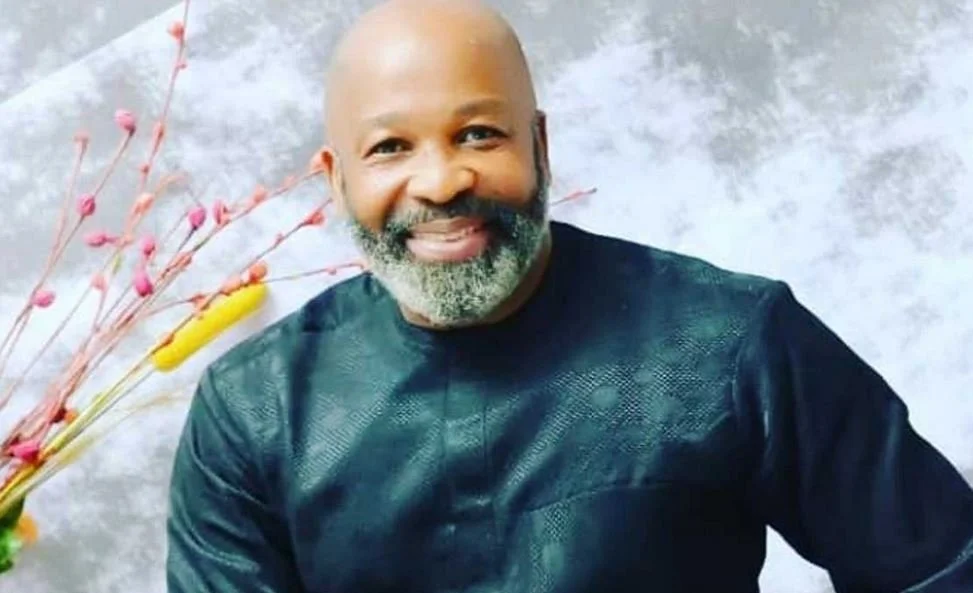
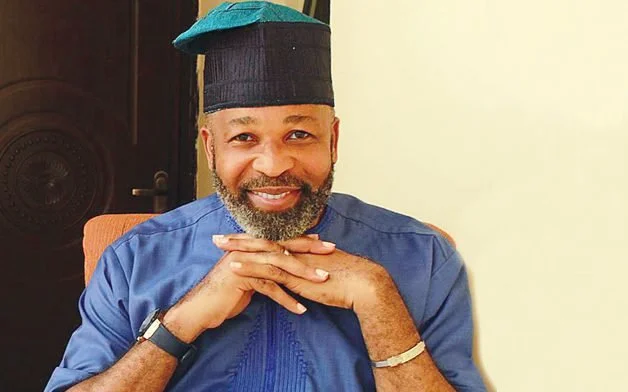
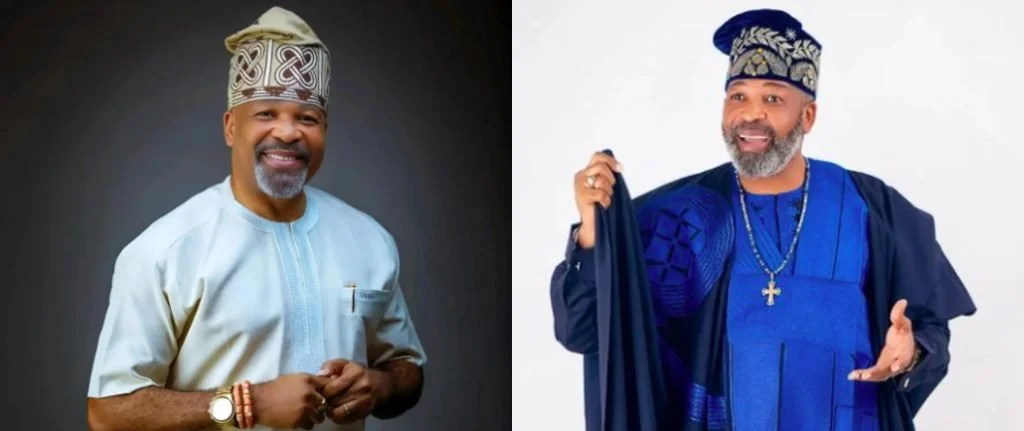
Veteran Nollywood actor Yemi Solade has opened up about his decision to stop attending church services, revealing he has stayed away for more than 10 years.
Speaking on the Honest Bunch Podcast, Solade explained that the turning point came in 2013 when a pastor at his then-church instructed him to reject acting jobs scheduled on Sundays.
According to him, the directive clashed with his profession and source of livelihood.
“Back in 2013, I went to church with my wife, and the pastor told me not to take jobs on Sundays. That same work he wanted me to avoid is what puts money in my pocket and allows me to give offerings. That was when I decided to stop,” he recounted.
The celebrated actor added that since stepping back from regular church attendance, his life has remained stable — and even more peaceful.
He dismissed the popular belief that one’s life would take a downturn without church attendance, stressing that his family life and acting career have only grown stronger.
“A notion that if you don’t attend church, one’s life will nosedive, I have not seen anything change. Rather, I have peace, I do well, because everyday of my life when I was going to church, I got messages, all sorts of disturbances,” Solade noted.
He clarified that his decision was not a rejection of faith, but a conscious move to prioritize personal growth, productivity, and family over the pressures of endless church programs and committees.
Opinion: Faith Beyond Four Walls
Yemi Solade’s confession speaks to a wider conversation many Nigerians quietly wrestle with — the balance between faith and personal freedom. For years, church has been seen as the center of moral stability, community, and success. Yet, Solade’s story challenges the idea that spirituality is tied strictly to attendance.
It’s a reminder that faith is personal. For some, fulfillment comes in pews and pulpits; for others, in private reflections and acts of kindness. What matters is not where one sits on a Sunday, but how one lives Monday through Saturday.
Solade’s experience also highlights a sensitive issue: when religious expectations interfere with livelihoods, careers, or peace of mind, people will naturally reevaluate. His choice may not be for everyone, but it underlines a truth — spirituality should uplift, not restrict.
At the end of the day, faith is not measured by attendance records but by the fruits it bears in our lives. For Solade, peace and productivity outside church walls are his testimony. And that, perhaps, is worth reflecting on.